Efficient Expansion Joint Repair Options
Expansion joint repairs are essential for maintaining structural integrity and safety in bridges, highways, and industrial facilities. Properly functioning expansion joints accommodate thermal expansion, contraction, and movement caused by traffic loads and environmental factors. Neglecting timely repairs can lead to increased wear, damage, and potential failure, resulting in costly repairs and safety hazards.
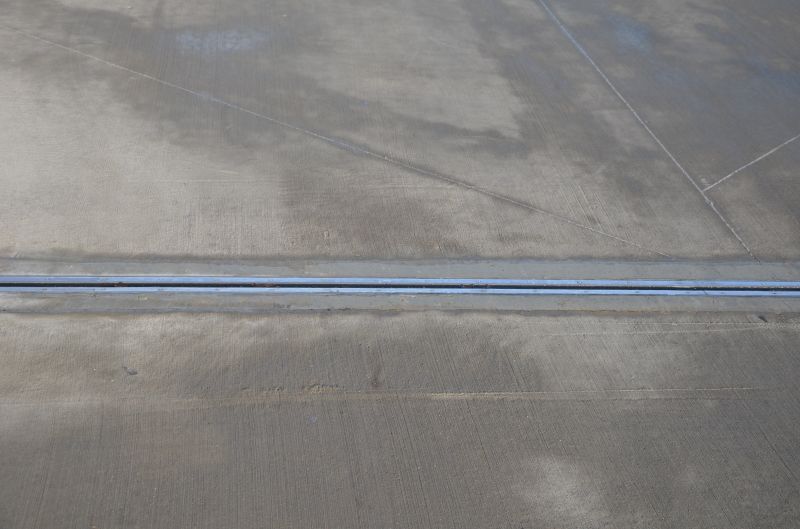
Maintenance crews working on replacing aging expansion joints to ensure continued structural flexibility and safety.
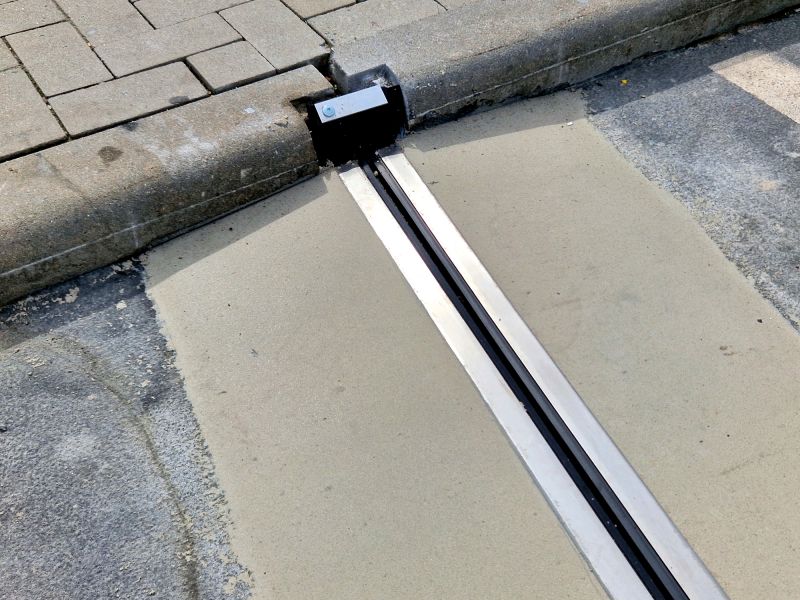
Completed installation of expansion joints designed to withstand environmental stresses and heavy traffic loads.
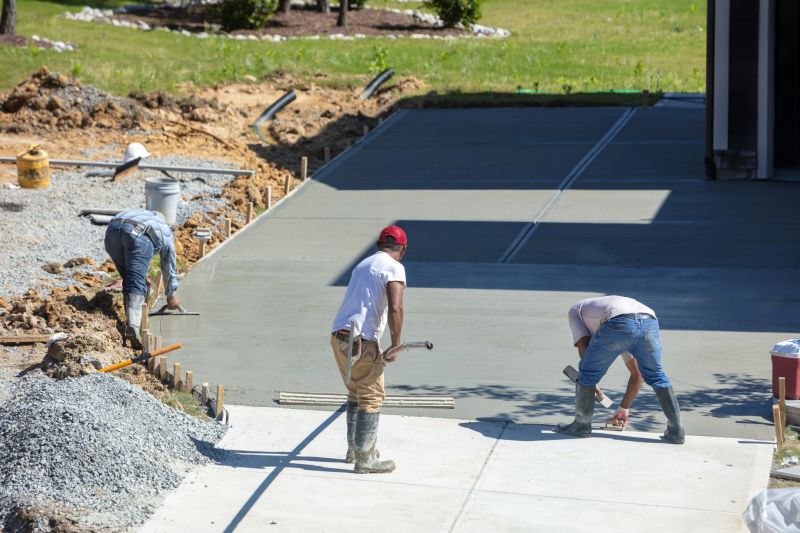
Routine inspections identify issues early, preventing costly repairs and extending the lifespan of the structure.
Expansion joint repairs involve several critical steps to restore proper function and prevent structural issues. The process begins with a thorough inspection to assess the extent of wear, damage, or deterioration. Next, damaged joints are removed, and the area is prepared for new materials. Replacement involves installing new expansion joints that meet the specific requirements of the structure, followed by sealing and finishing to ensure durability. This process typically takes from a few days to a week, depending on the project's scope and complexity.
Hiring a professional for expansion joint repairs ensures the work complies with safety standards and technical specifications. Experienced technicians utilize specialized tools and materials to guarantee a proper fit and long-lasting performance. Proper repair techniques help prevent issues such as water infiltration, debris accumulation, and joint failure, which can compromise structural safety and lead to costly repairs later.
Properly repaired joints can last for many years, reducing the need for frequent maintenance and minimizing disruption.
The size of the structure, extent of damage, and weather conditions influence the duration of repair projects.
Professional services ensure correct installation, compliance with standards, and increased longevity of the expansion joints.
| Aspect | Details |
|---|---|
| Typical Repair Duration | A few days to one week |
| Inspection Frequency | Bi-annual or annual inspections recommended |
| Common Damage Causes | Thermal expansion, traffic loads, environmental exposure |
| Materials Used | Rubber, aluminum, neoprene, or specialized composites |
| Cost Factors | Extent of damage, structure size, and accessibility |
| Maintenance Tips | Regular inspections and prompt repairs |
| Safety Considerations | Proper signage and barriers during repair work |
The quality of expansion joint repairs significantly influences the safety and longevity of structures. Regular maintenance and prompt attention to deterioration can prevent major issues, ensuring the structure remains functional and safe. Professionals employ industry-standard techniques and materials to deliver durable repairs that withstand environmental and operational stresses.
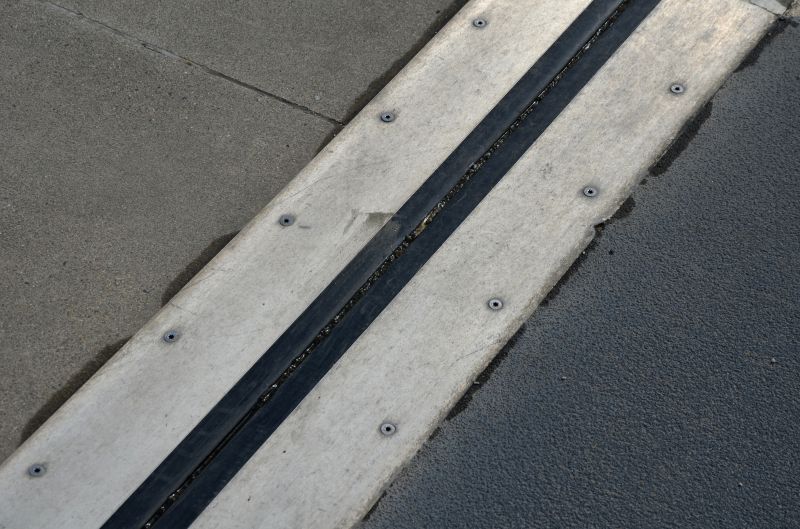
A fully restored expansion joint ready to accommodate structural movement and environmental factors.
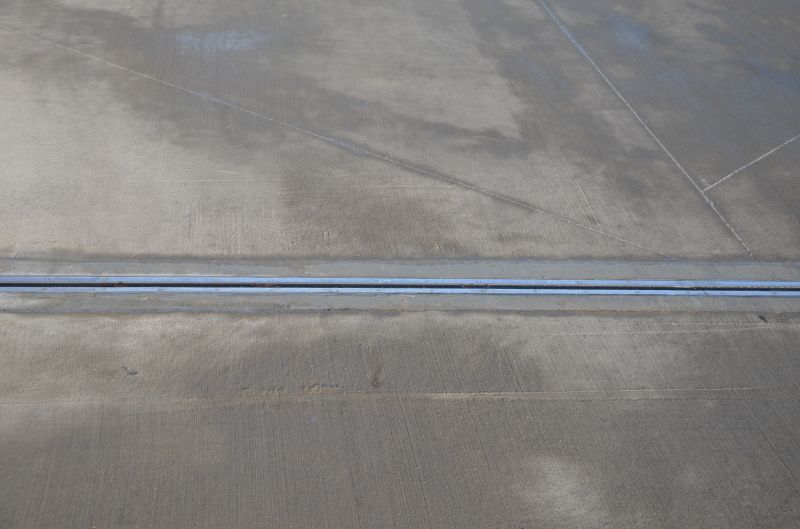
Detailed view of the sealing and finishing work that ensures durability and water resistance.
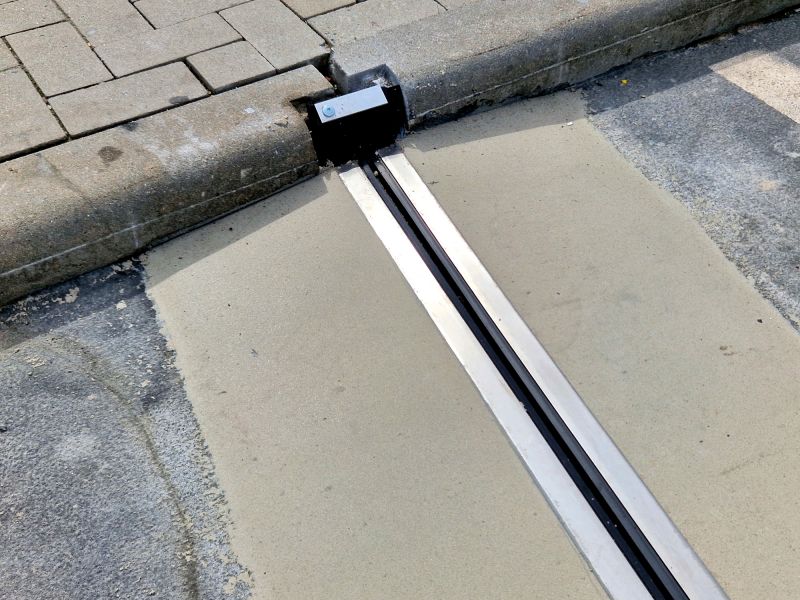
Post-repair inspections confirm the integrity and proper functioning of the new joints.
For those seeking to ensure the safety and longevity of their structures, professional expansion joint repair services are highly recommended. Filling out the contact form can provide access to expert assessments, detailed quotes, and tailored repair solutions to meet specific project needs.