
Top-Rated Products For Seamless Expansion Joint Repairs
Browse through the most trusted products to achieve smooth and durable expansion joint repairs in your projects.
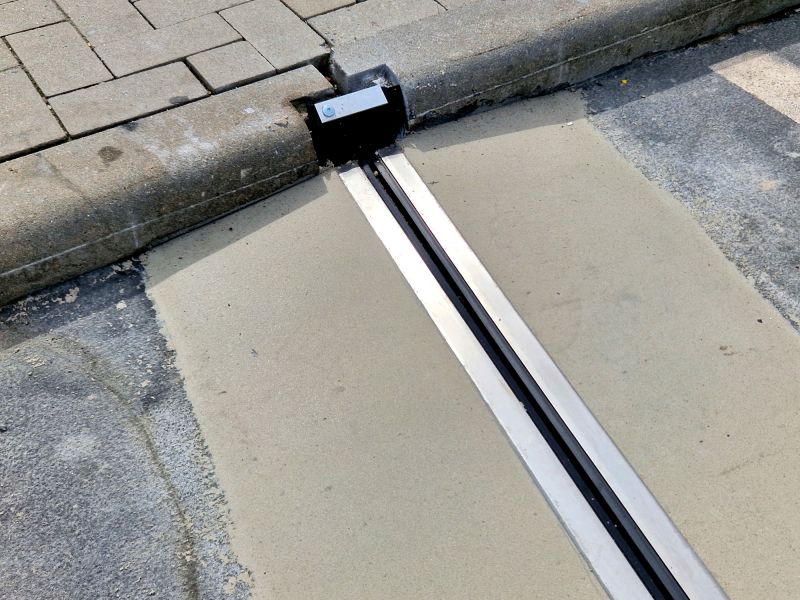 Expansion joint repairs are essential for maintaining the integrity and functionality of structures such as bridges, roads, and industrial facilities. These joints accommodate movement caused by thermal expansion, contraction, and other dynamic forces. Over time, these joints may develop cracks, gaps, or deterioration, which can compromise structural safety and performance. Selecting appropriate repair products is crucial to ensure durability, flexibility, and longevity of the repair work.
Top Overall Option
Flexible Sealant for Expansion Joints
A versatile, high-performance sealant designed to accommodate joint movement while providing excellent adhesion and weather resistance. Suitable for a variety of structural applications, it offers durability and ease of application for effective repairs.
Types of Products For Expansion Joint Repairs
Polyurethane Sealants
Elastic sealants that provide flexibility and adhesion for various joint sizes and conditions.
Silicone Sealants
Highly resistant to weathering and temperature fluctuations, ideal for outdoor applications.
Hot-Applied Joint Fillers
Thermoplastic materials used for filling large gaps and joints, offering strong adhesion and durability.
Cold-Applied Sealants
Pre-mixed, ready-to-use sealants suitable for quick repairs and smaller joints.
Rubber Expansion Joint Mats
Flexible rubber mats that accommodate movement and provide a resilient seal.
Bituminous Coatings
Waterproof coatings used to protect joints from moisture infiltration.
Epoxy Fillers
Strong, durable fillers for structural repairs and crack filling in joints.
Preformed Foam Backer Rods
Flexible foam rods used as backing material to control sealant depth and improve adhesion.
Polymer Modified Asphalt
Flexible asphalt-based materials suitable for large joint repairs and sealing.
Concrete Joint Sealers
Sealants formulated specifically for concrete joints, offering adhesion and weather resistance.
Popular Choices
Widely used for their flexibility and adhesion, suitable for various joint sizes.
Known for excellent weather resistance and longevity in outdoor settings.
Effective for filling large gaps with durable, thermoplastic materials.
Convenient for quick repairs and small joint sealing tasks.
Flexible rubber products that allow for movement and protect joints.
Effective waterproofing options for joint protection.
Strong fillers used for structural crack repairs in joints.
Common backing material to ensure proper sealant depth and adhesion.
Flexible asphalt-based sealants suitable for large joint sealing projects.
Specialized sealants for concrete structures to prevent water infiltration.
Repairing expansion joints involves various materials and products designed to fill gaps, seal cracks, and restore movement capabilities. Common options include sealants, fillers, and specialized mats that can withstand environmental exposure and mechanical stresses. Proper application of these products helps prevent water infiltration, debris accumulation, and further deterioration, ultimately extending the lifespan of the structure.
When choosing repair products, considerations such as compatibility with existing materials, temperature tolerance, adhesion strength, and ease of application come into play. It is important to select products formulated for the specific type of joint and environmental conditions. Additionally, some solutions offer flexibility to accommodate joint movement without cracking or breaking, which is vital for maintaining structural integrity.
Regular inspection and maintenance of expansion joints using suitable repair products can prevent costly damages and ensure safety. Whether for small cracks or large gaps, there are numerous options available to address different repair needs. Understanding the range of products and their features helps in making informed decisions for effective and durable repairs.
Key Buying Considerations
- Compatibility with existing joint materials and structure types.
- Temperature resistance and ability to withstand thermal expansion and contraction.
- Adhesion strength to ensure a secure seal in various environmental conditions.
- Flexibility of the product to accommodate joint movement without cracking.
- Ease of application, including tooling and curing time.
- Waterproofing and moisture resistance properties.
- Durability and resistance to weathering, UV exposure, and chemicals.
- Size and shape compatibility with the specific joint dimensions.
- Compatibility with both new and existing repair materials.
- Availability of backing materials like foam rods or inserts for proper sealant depth.
- Cost-effectiveness and overall value for long-term maintenance.
- Compliance with relevant industry standards and safety regulations.
- Environmental resistance, including resistance to oils, salts, and other contaminants.
- Ease of inspection and maintenance after application.
- Manufacturer support and availability of technical data.